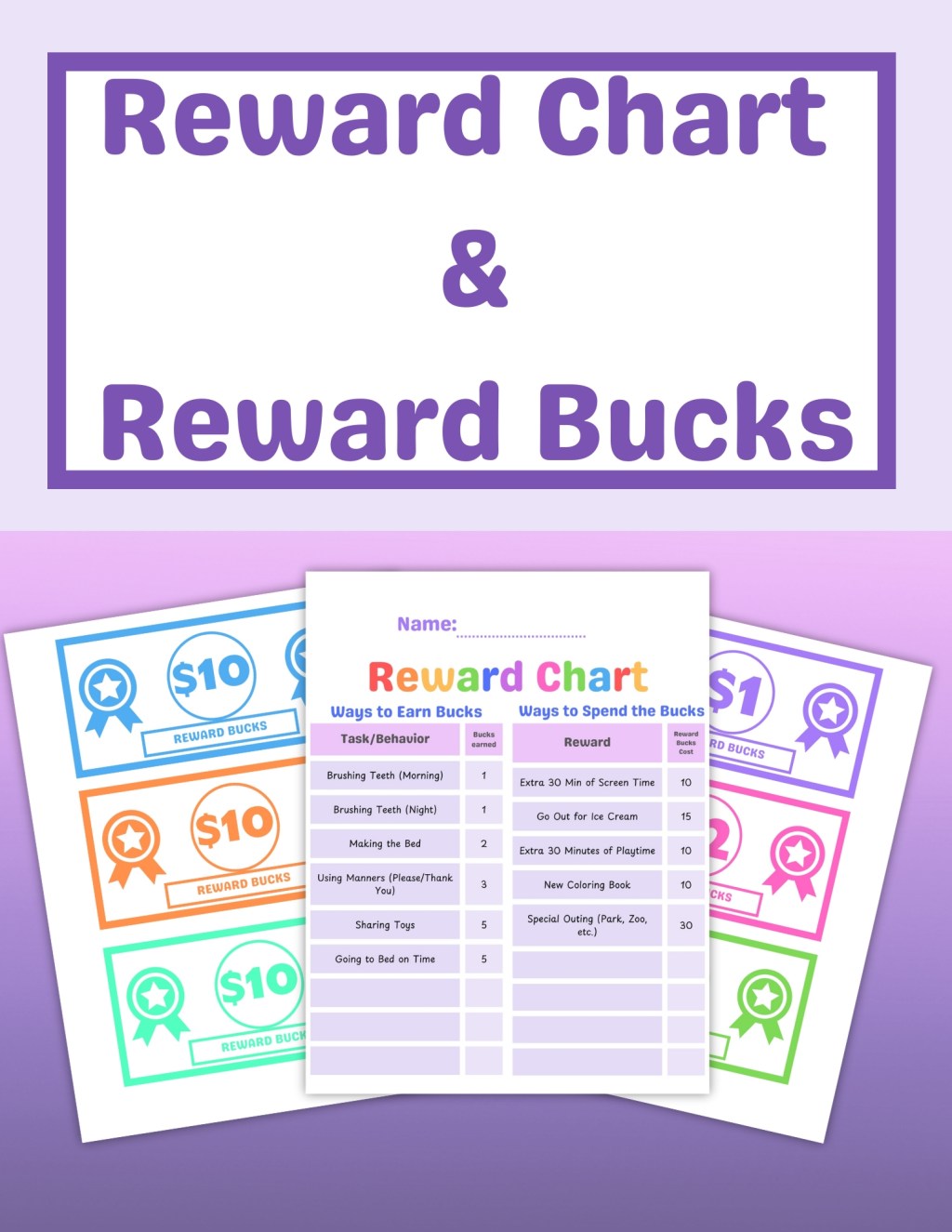
As parents, we all know that encouraging good behavior and instilling positive habits in our children can sometimes be a challenge. One effective method to achieve this is by using reward charts and reward bucks. These tools can turn everyday tasks and behaviors into a fun and motivating game for your child, making them more willing to participate and learn.
What are Reward Charts?
Reward charts are visual tools that help track your child’s behavior and accomplishments over time. They usually consist of a grid where you can mark or place stickers to indicate completed tasks or positive behaviors. This visual representation helps children understand their progress and motivates them to continue their good behavior.
What are Reward Bucks?
Reward bucks are a fun twist on traditional reward charts. Think of them as a form of “currency” that your child can earn by completing tasks or exhibiting positive behaviors. These reward bucks can then be exchanged for various rewards that you and your child agree upon. This method not only encourages good behavior but also teaches your child about the value of earning and saving.
How to Use Reward Charts and Reward Bucks
- Set Clear Goals: Identify the specific behaviors or tasks you want to encourage. These could include chores, homework completion, good manners, or even personal hygiene.
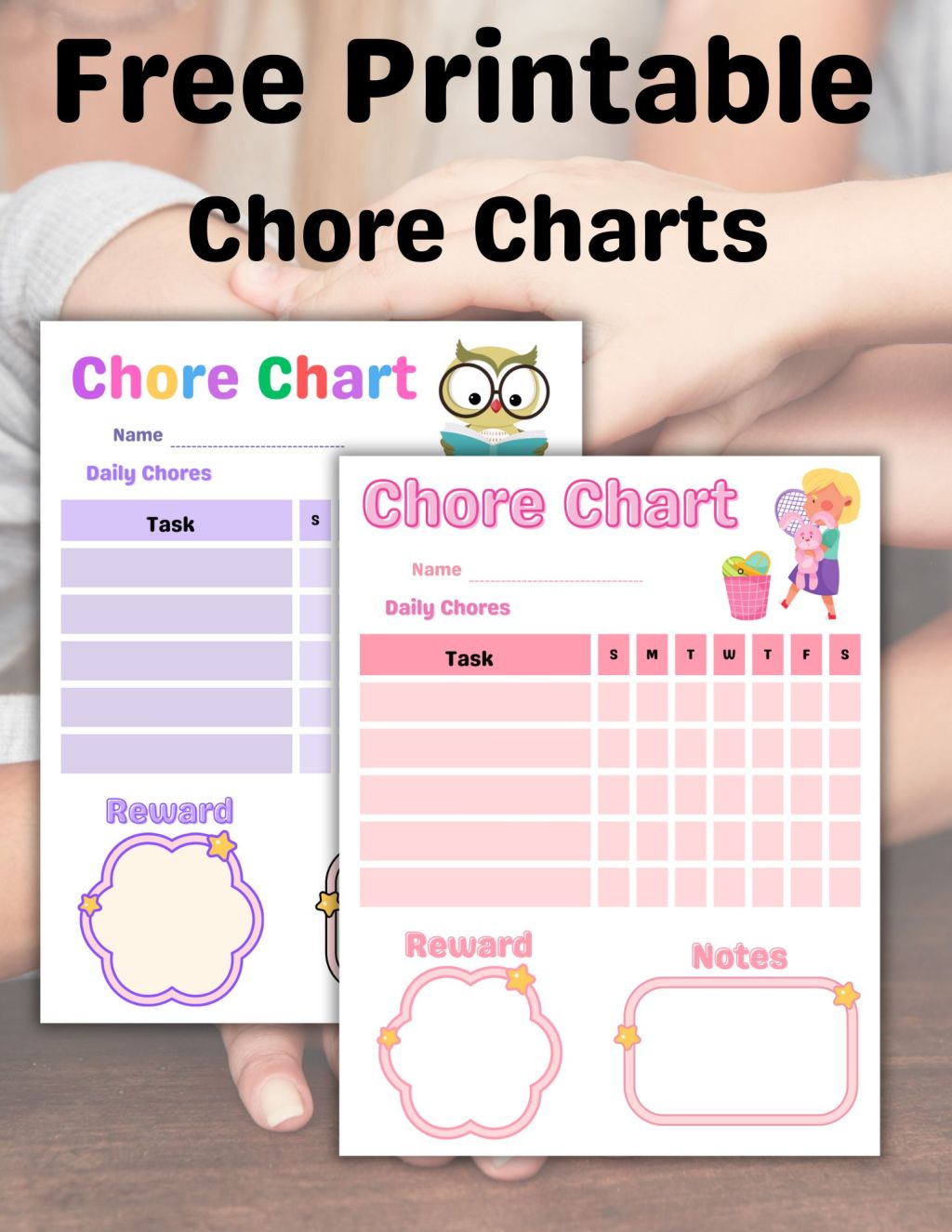
- Create a Chart: Design a simple chart with days of the week and spaces to mark completed tasks. You can use stickers, stars, or checkmarks.
- Introduce Reward Bucks: Explain to your child that they can earn reward bucks for each completed task or good behavior. You can create your own reward bucks using printable templates or even use play money.
- Determine Rewards: Decide on a list of rewards your child can “purchase” with their earned reward bucks. These could be small toys, extra screen time, a special outing, or even a favorite snack.
- Track Progress: Regularly update the chart and reward bucks count. Make sure to celebrate and acknowledge their achievements, no matter how small.
- Be Consistent: Consistency is key. Make sure to follow through with the rewards and continue using the system to maintain its effectiveness.
Creating a Chart: How to Earn Reward Bucks
Here’s an example chart to help you get started:
| Task/Behavior | Reward Bucks Earned |
|---|---|
| Making the Bed | 1 Reward Buck |
| Brushing Teeth (Morning) | 1 Reward Buck |
| Brushing Teeth (Night) | 1 Reward Buck |
| Doing Homework | 2 Reward Bucks |
| Completing Chores | 2 Reward Bucks |
| Sharing Toys | 1 Reward Buck |
| Using Manners (Please/Thank You) | 1 Reward Buck |
| Reading for 20 Minutes | 2 Reward Bucks |
| Helping with Dinner Prep | 3 Reward Bucks |
| Going to Bed on Time | 2 Reward Bucks |
You can customize this chart based on your child’s age and the specific behaviors you want to encourage.
Ways to Spend Reward Bucks
To keep your child motivated, it’s important to offer a variety of rewards they can spend their reward bucks on. Here are some ideas:
| Reward | Reward Bucks Cost |
|---|---|
| Extra 30 Minutes of Screen Time | 5 Reward Bucks |
| Choose a Movie for Family Night | 10 Reward Bucks |
| Stay Up 30 Minutes Past Bedtime | 10 Reward Bucks |
| Pick a Small Toy from the Treasure Box | 15 Reward Bucks |
| Go Out for Ice Cream | 20 Reward Bucks |
| Choose a Fun Family Activity | 25 Reward Bucks |
| Extra 30 Minutes of Playtime | 5 Reward Bucks |
| Skip a Chore for a Day | 10 Reward Bucks |
| New Coloring Book | 15 Reward Bucks |
| Special Outing (Park, Zoo, etc.) | 30 Reward Bucks |
These rewards can be tailored to fit your child’s interests and what motivates them the most.
Reward charts and reward bucks are simple yet effective tools to promote positive behavior in children. By making the process fun and engaging, you not only teach them important life skills but also create a positive and motivating environment. Give it a try and watch your child thrive!
Feel free to download our Printable Reward Chart and Reward Bucks Template to get started today!
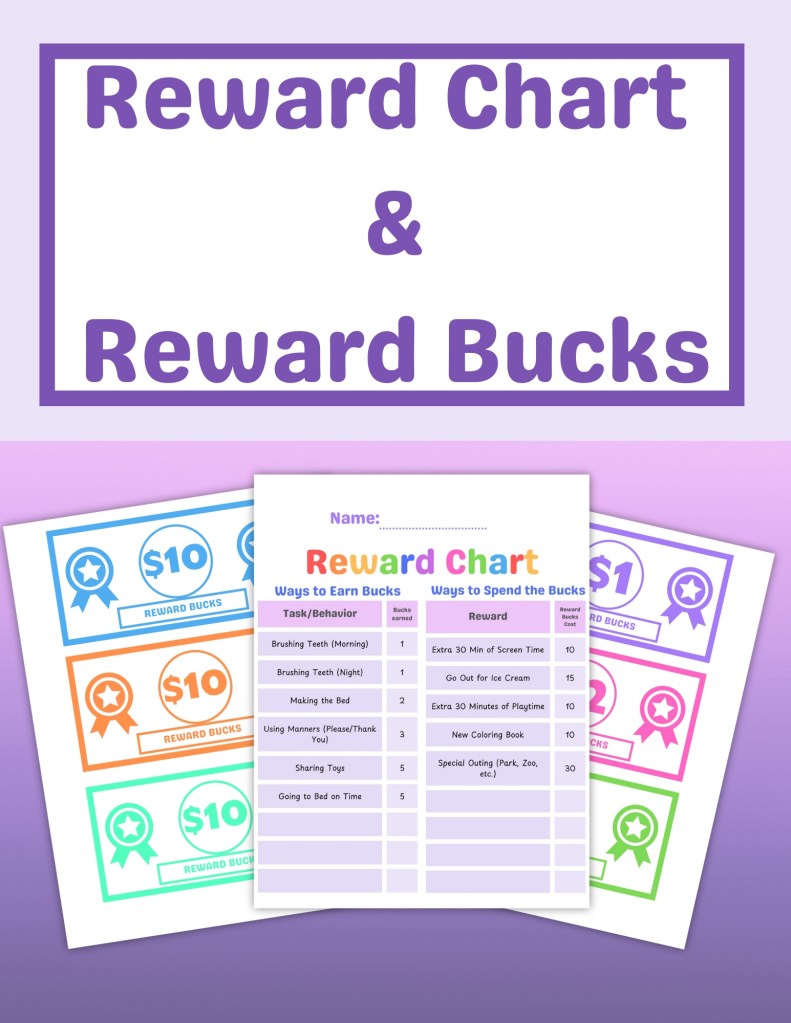
By implementing reward charts and reward bucks, you’re setting the stage for your child to develop a strong sense of responsibility and motivation. Happy parenting!


 Toddler Mom tales
Leave a comment