
Play is a fundamental aspect of childhood that holds incredible power in a child’s development. For toddlers, playtime is not just about having fun; it is a critical tool for learning, socialization, and cognitive growth. In this article, we will delve into the importance of playtime for toddlers, highlighting its various benefits and offering insights into how you can create an enriching play environment for your little one.
*This article contains affiliate links, which means we may earn a small commission if you make a purchase through these links, at no extra cost to you. Let’s dive in! *
Physical Development
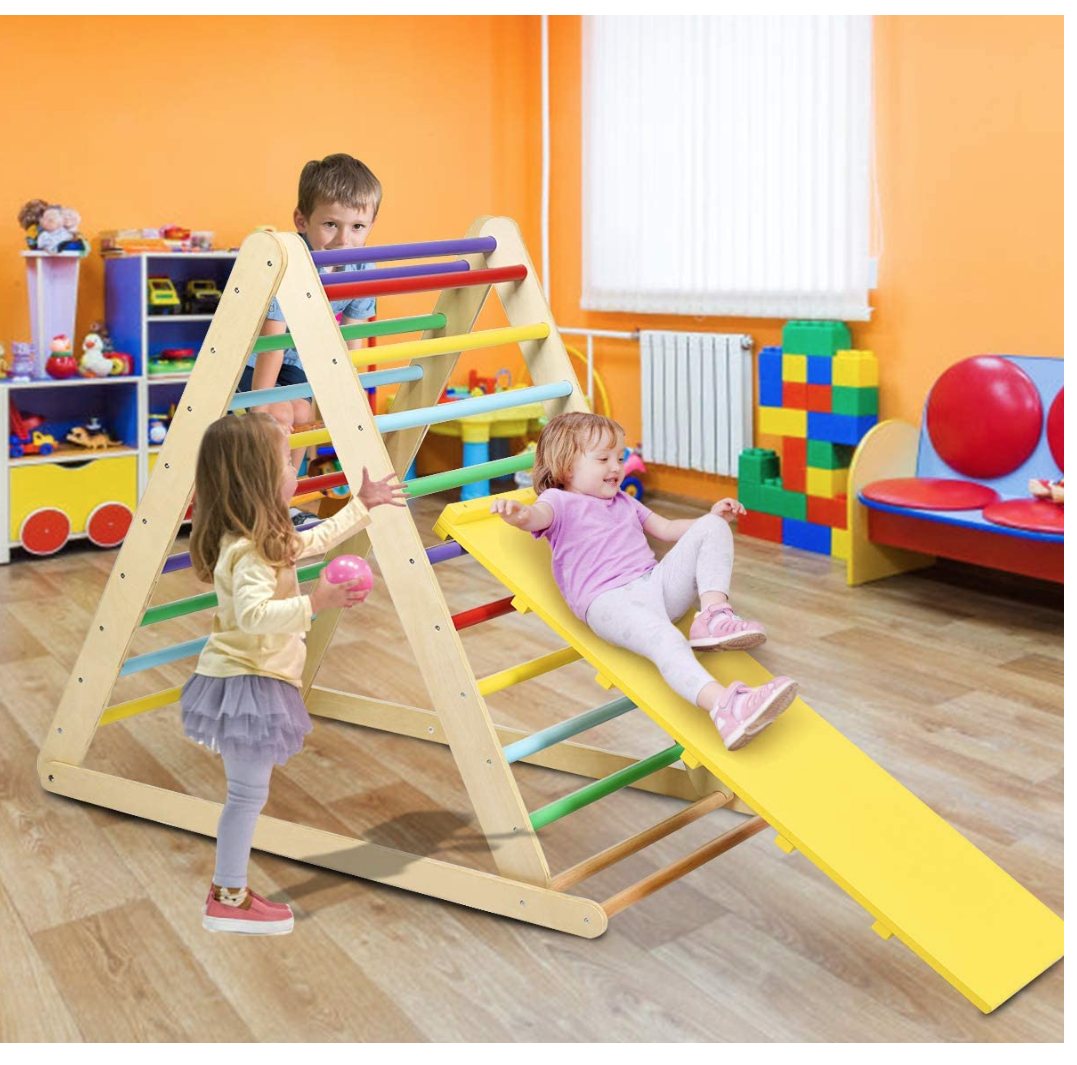
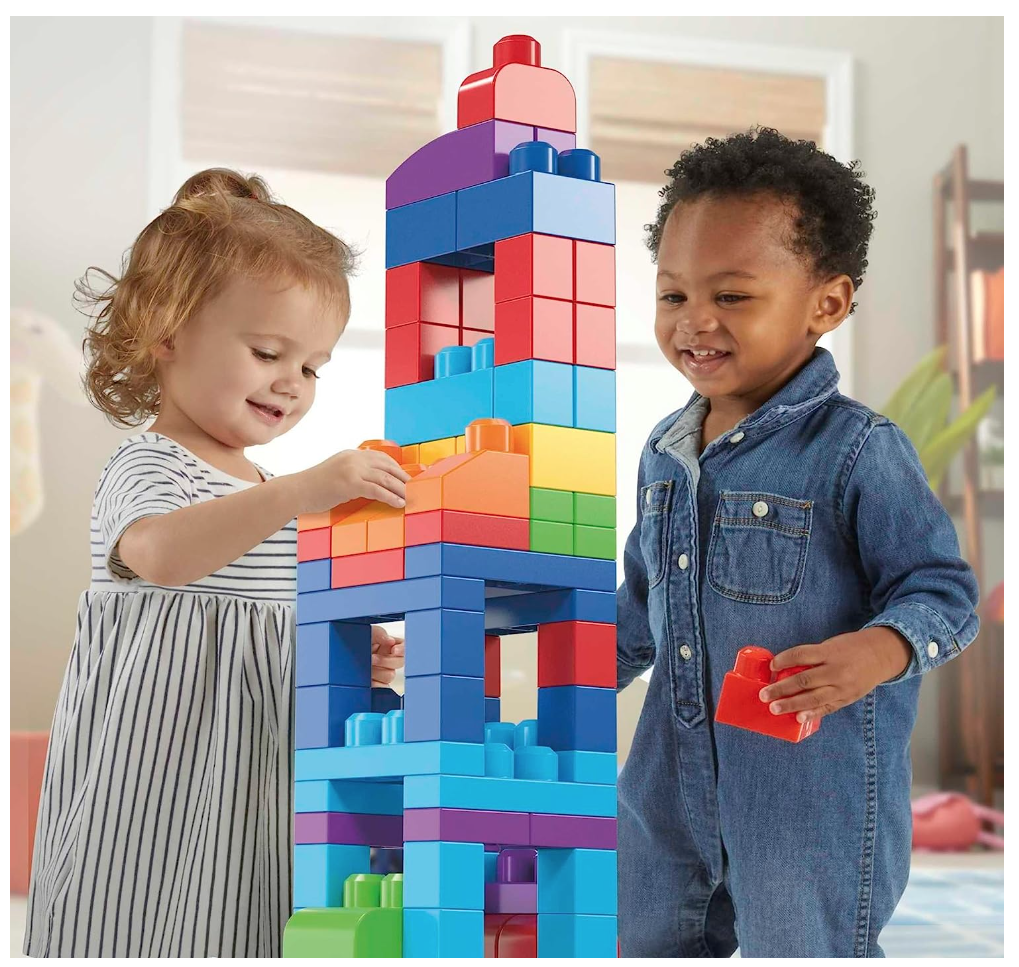
Playtime allows toddlers to engage in physical activities contributing to their overall development. Whether running, jumping, climbing, or playing with balls, these activities enhance their motor skills, coordination, balance, and strength. Active play also promotes the development of fine motor skills, such as using crayons, building blocks, or manipulating small objects.
Cognitive Development
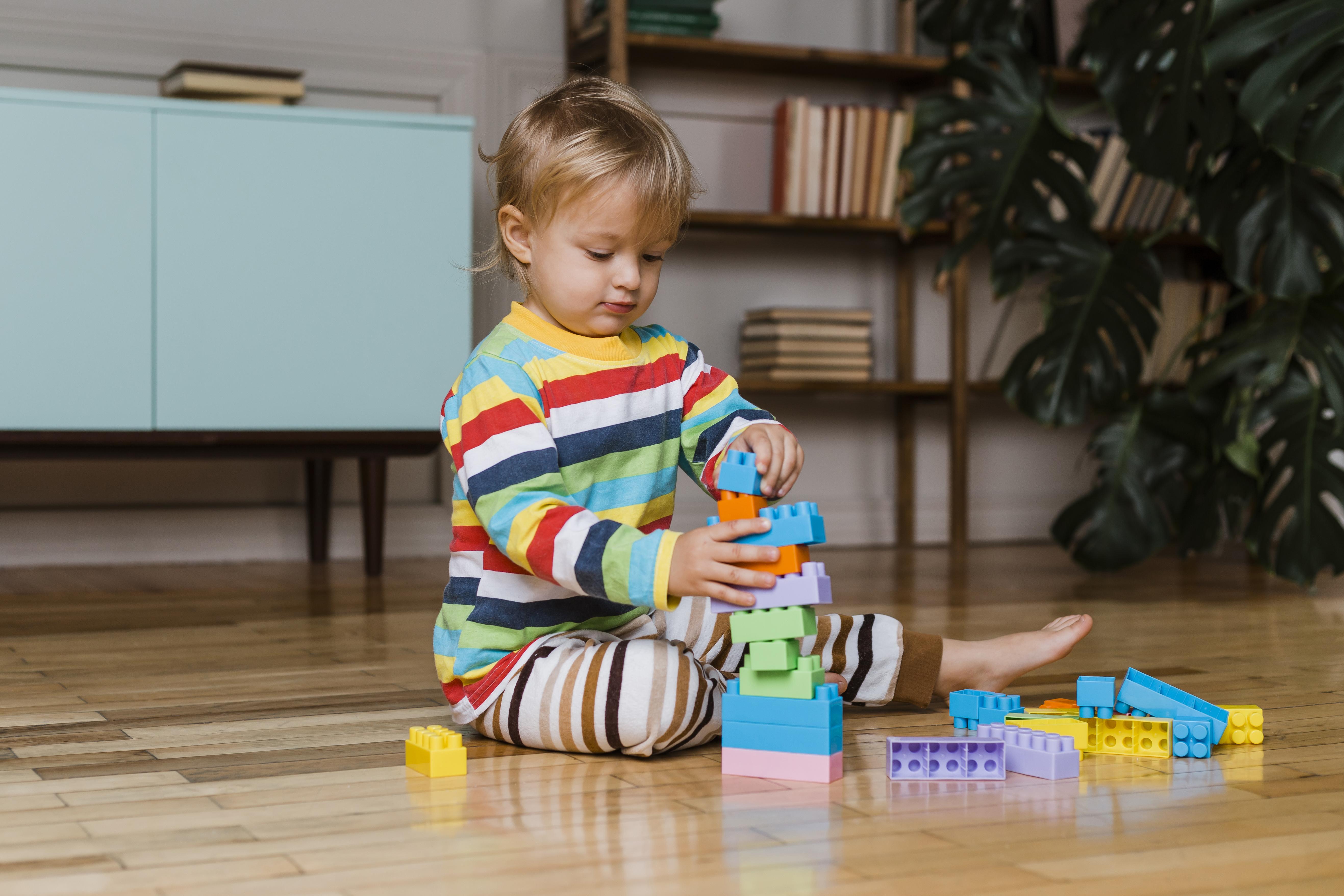
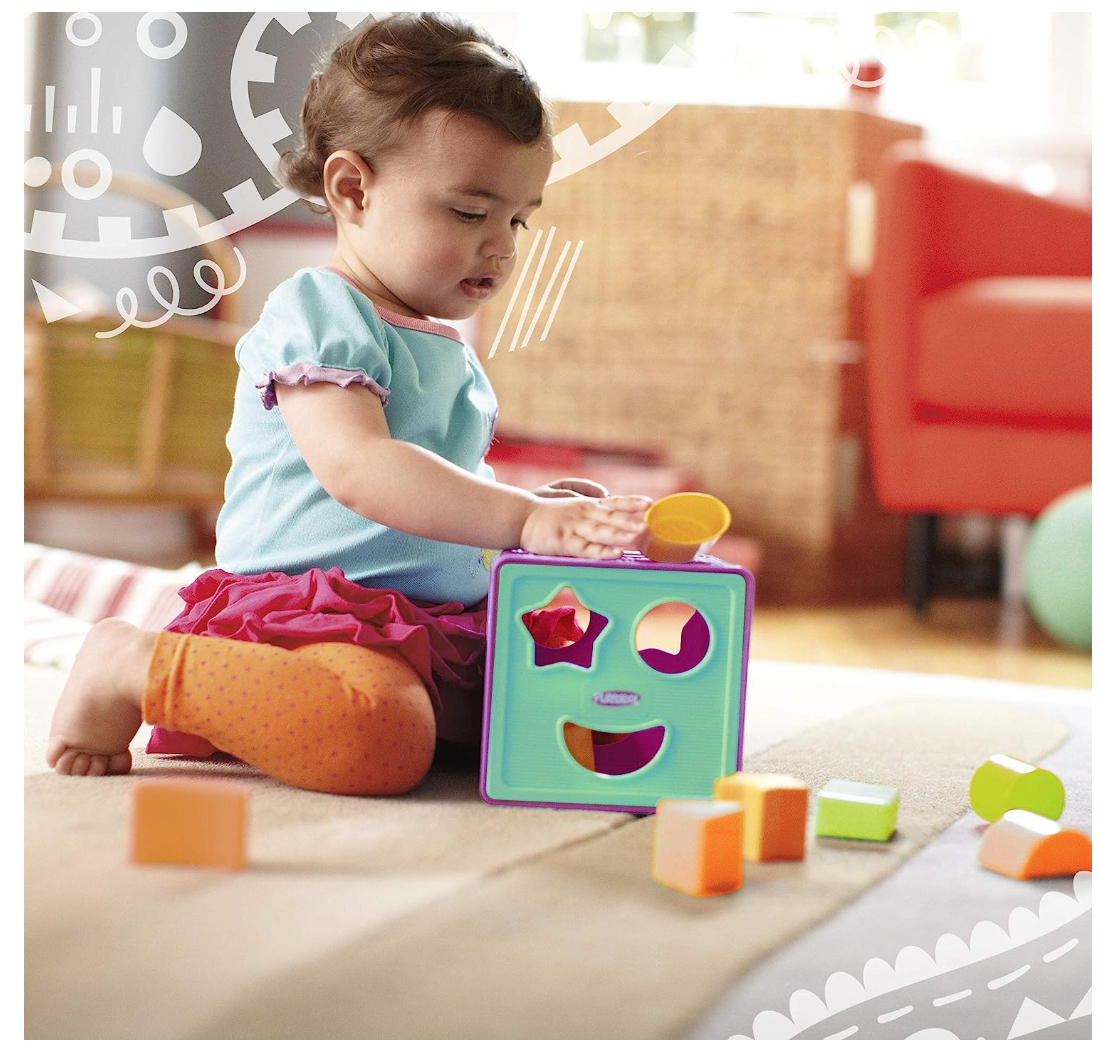
Playtime stimulates toddlers’ cognitive abilities and fosters problem-solving skills. Through imaginative play, they learn to think creatively, develop logical thinking, and make connections between objects, ideas, and situations. Toys like puzzles, building blocks, and shape sorters encourage cognitive development, spatial awareness, and critical thinking.
Language and Communication
Play allows toddlers to practice and enhance their language and communication skills. Pretend play, storytelling, and interacting with others in play settings enable them to expand their vocabulary, improve their sentence formation, and develop their social communication skills. Encourage conversations during play, ask open-ended questions, and engage in imaginative play scenarios to nurture language development.
Social and Emotional Development
Playtime allows toddlers to engage in social interactions and learn essential social skills. Through play, they learn about sharing, turn-taking, cooperation, empathy, and problem-solving in a social context. Play also provides an outlet for self-expression, emotional exploration, and understanding of their and others’ feelings. Encourage cooperative play and organise playdates to foster social connections.
Imagination and Creativity
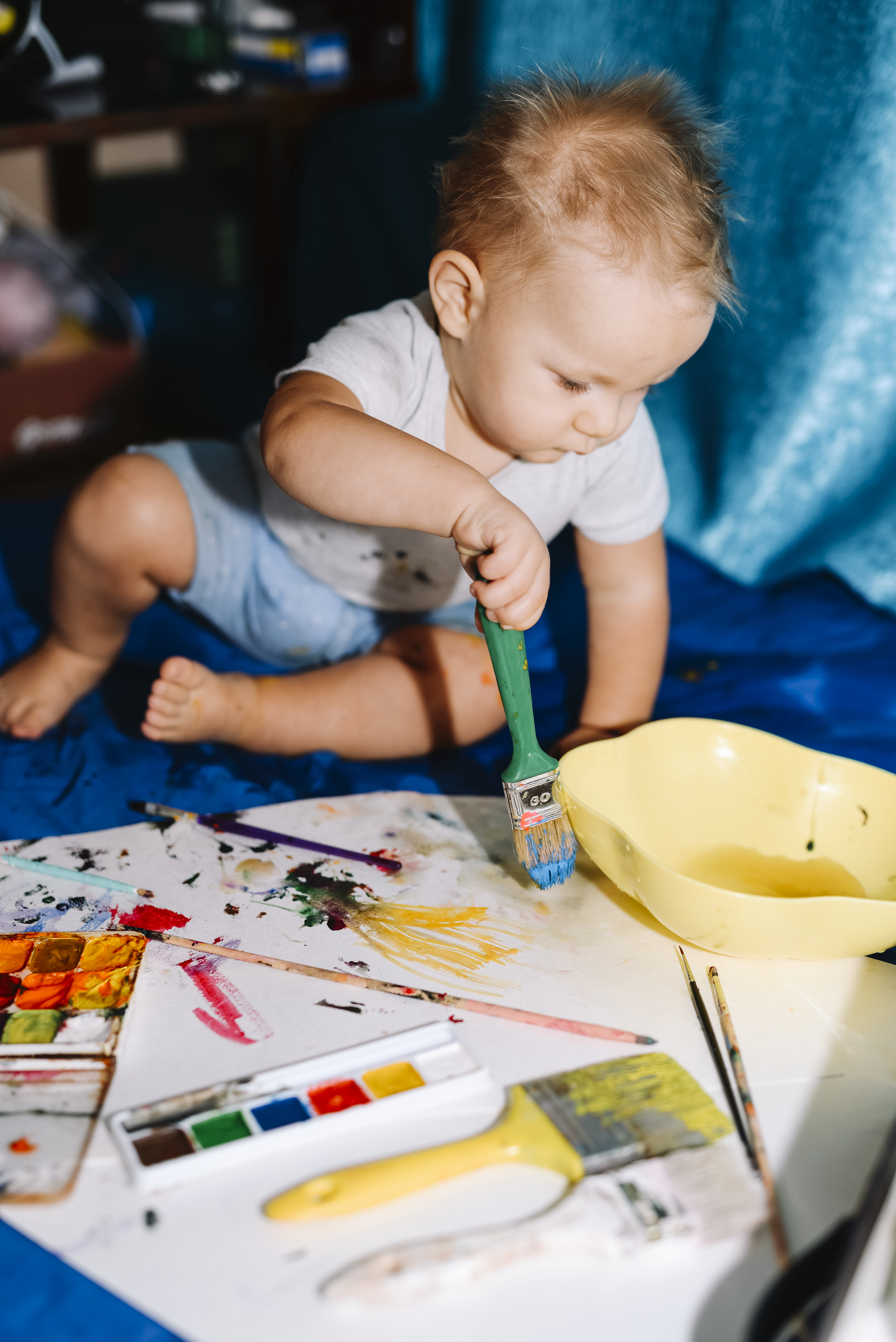
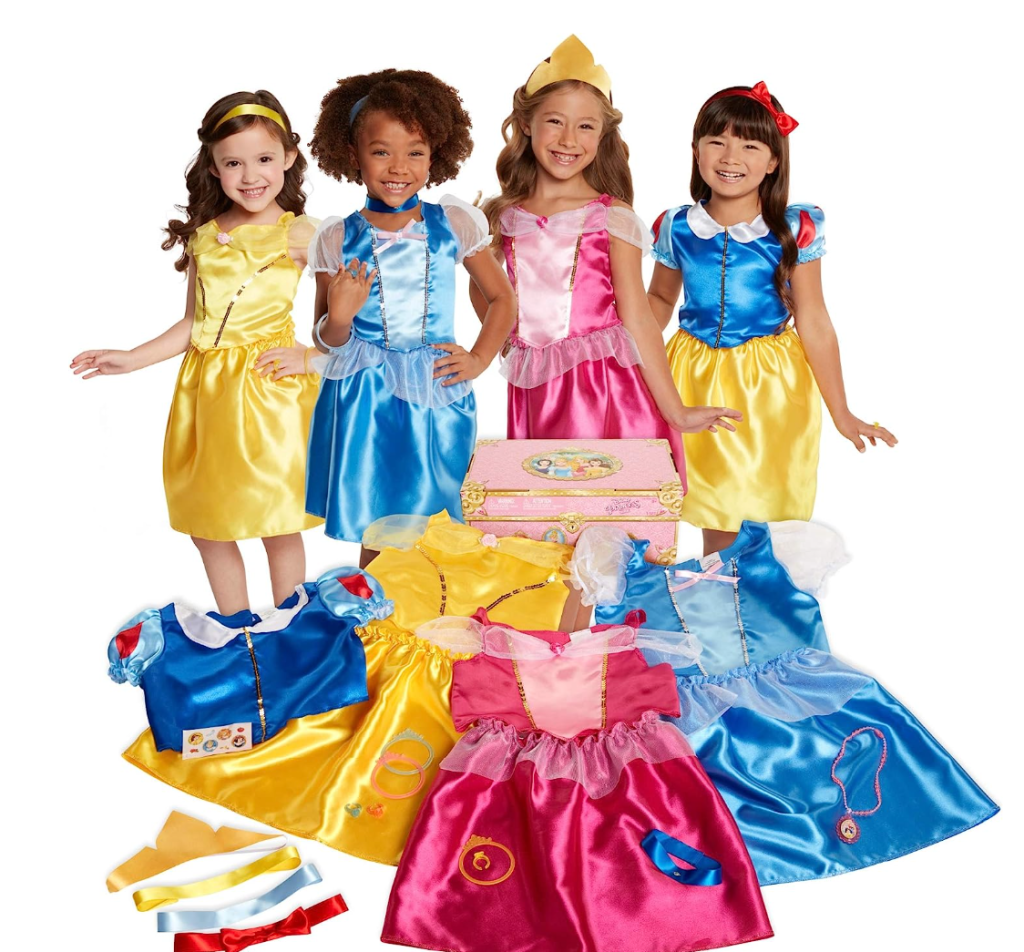
Playtime ignites toddlers’ imagination and nurtures their creativity. Through pretend play, they can explore different roles, scenarios, and situations, expanding their understanding of the world around them. Provide open-ended toys like dress-up clothes, art supplies, and building materials to stimulate their imagination and encourage creative expression.
Sensory Exploration
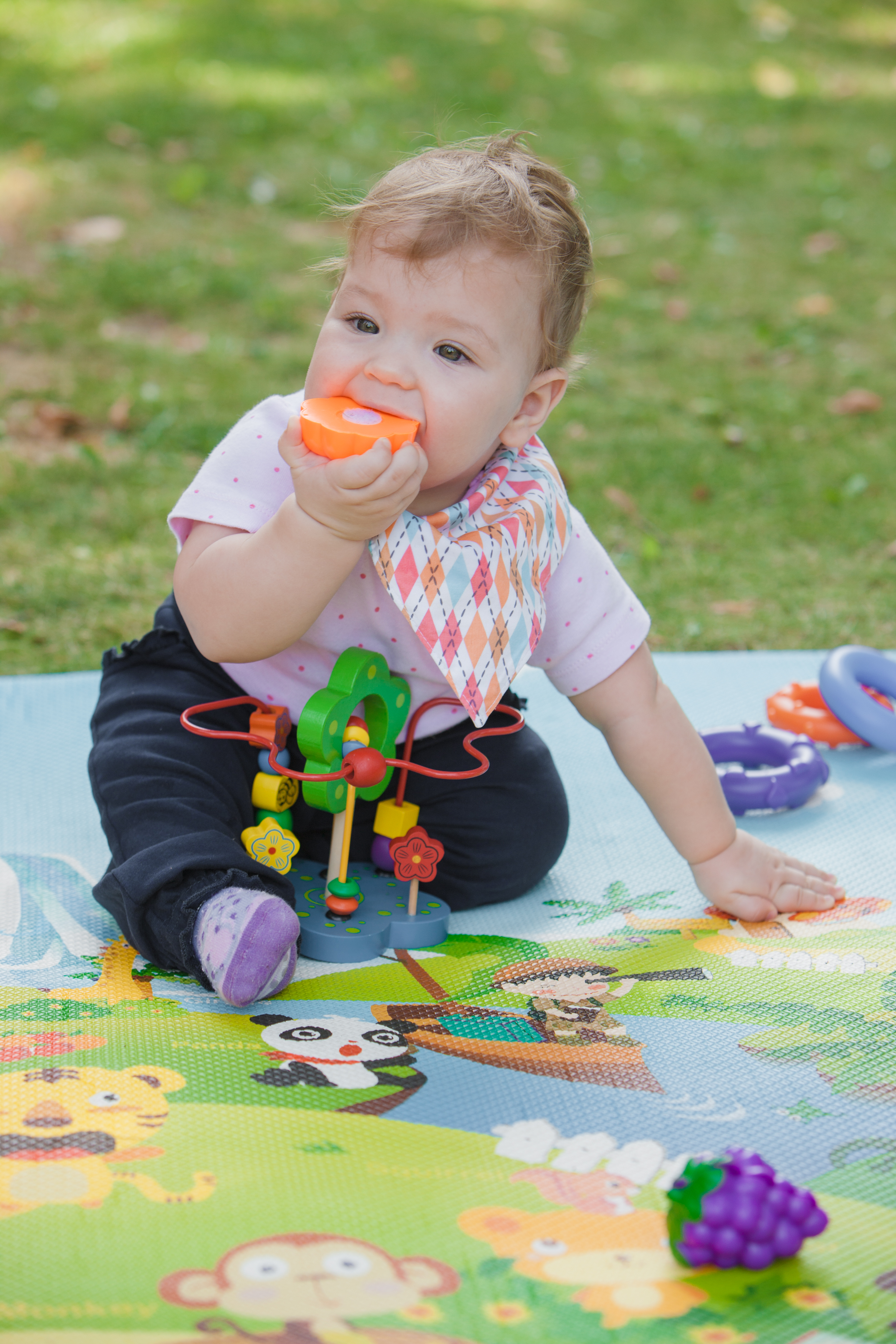
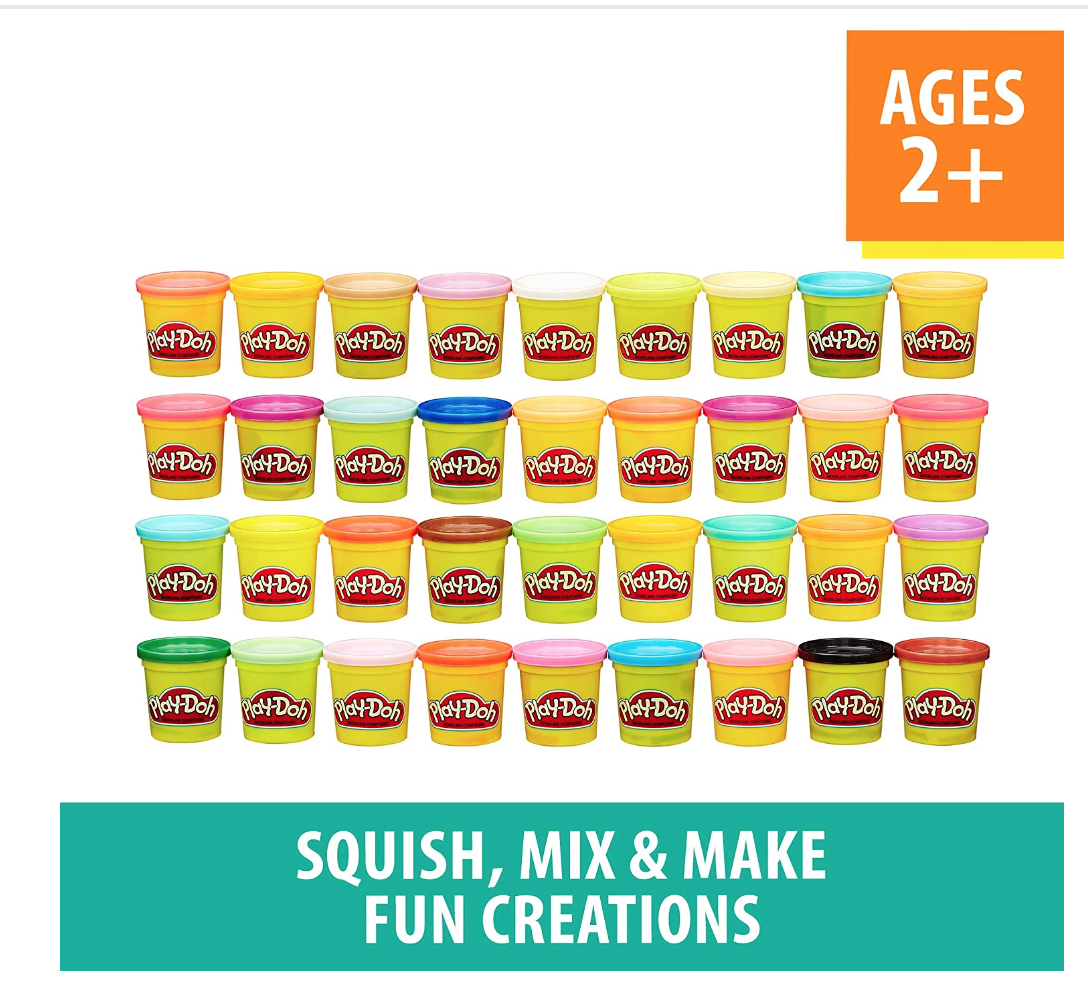
Play engages toddlers’ senses, allowing them to explore the world through touch, sight, sound, smell, and taste. Sensory play activities, such as playing with sand, water, playdough, or sensory bins filled with various textures, stimulate their sensory development and enhance their cognitive and motor skills. Sensory play also provides a calming and soothing effect, promoting relaxation and self-regulation.


Bonding and Family Connections
Playtime offers valuable opportunities for bonding and strengthening family connections. Participating in play activities with your toddler promotes a sense of security, love, and attachment. It creates positive memories, builds trust, and nurtures your relationship with your child. Make time for dedicated play with your toddler, whether it’s through board games, reading together, or simply engaging in imaginative play.
Play is a powerful tool in a toddler’s development, offering a wide range of benefits for their physical, cognitive, social, emotional, and sensory growth. By creating a nurturing and engaging play environment, you provide your toddler with the opportunity to explore, learn, and develop essential skills while having fun. Embrace the power of play, and watch your little ones flourish in their journey of growth and discovery.



 Toddler Mom tales
Leave a comment