As your little one grows and begins to explore the world around them, it’s essential to create a safe and engaging environment at home. A toddler-friendly home strikes a balance between safety measures and providing opportunities for your child’s curiosity and development. In this article, we will share practical tips to help you design a toddler-friendly home that prioritises safety without compromising on fun and exploration.
*This article contains affiliate links, which means we may earn a small commission if you make a purchase through these links, at no extra cost to you. Let’s dive in! *
Secure Hazardous Areas
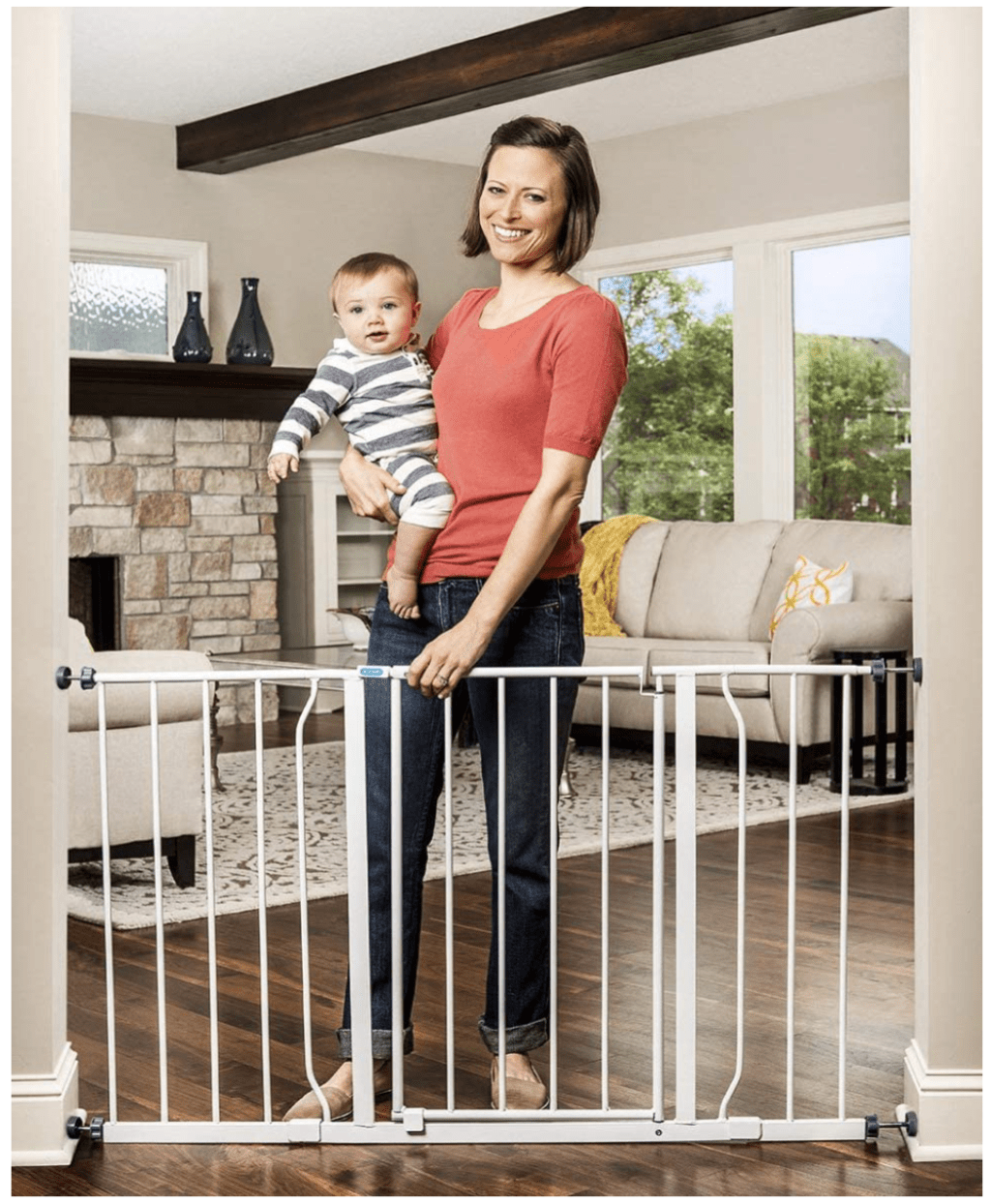
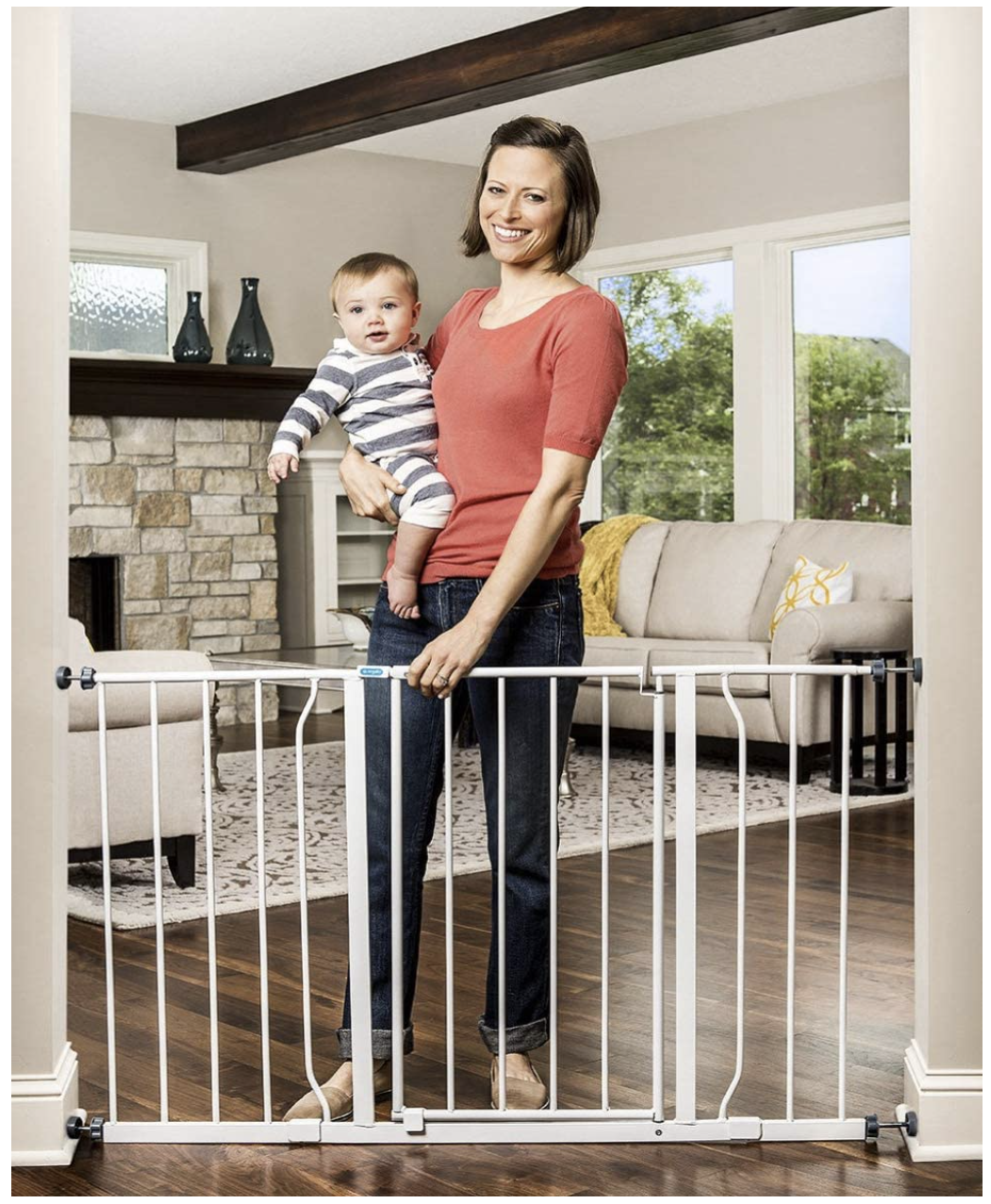
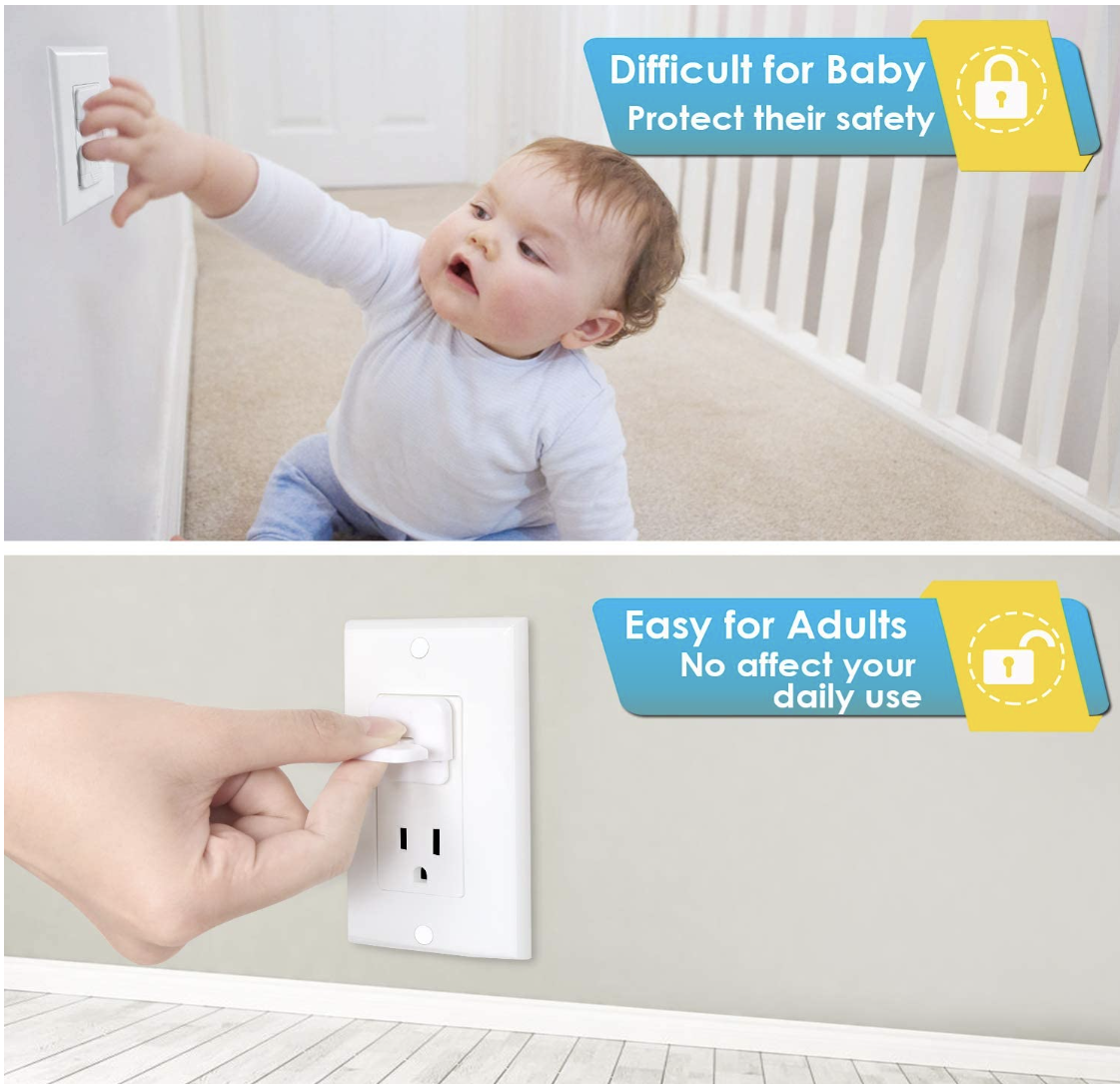
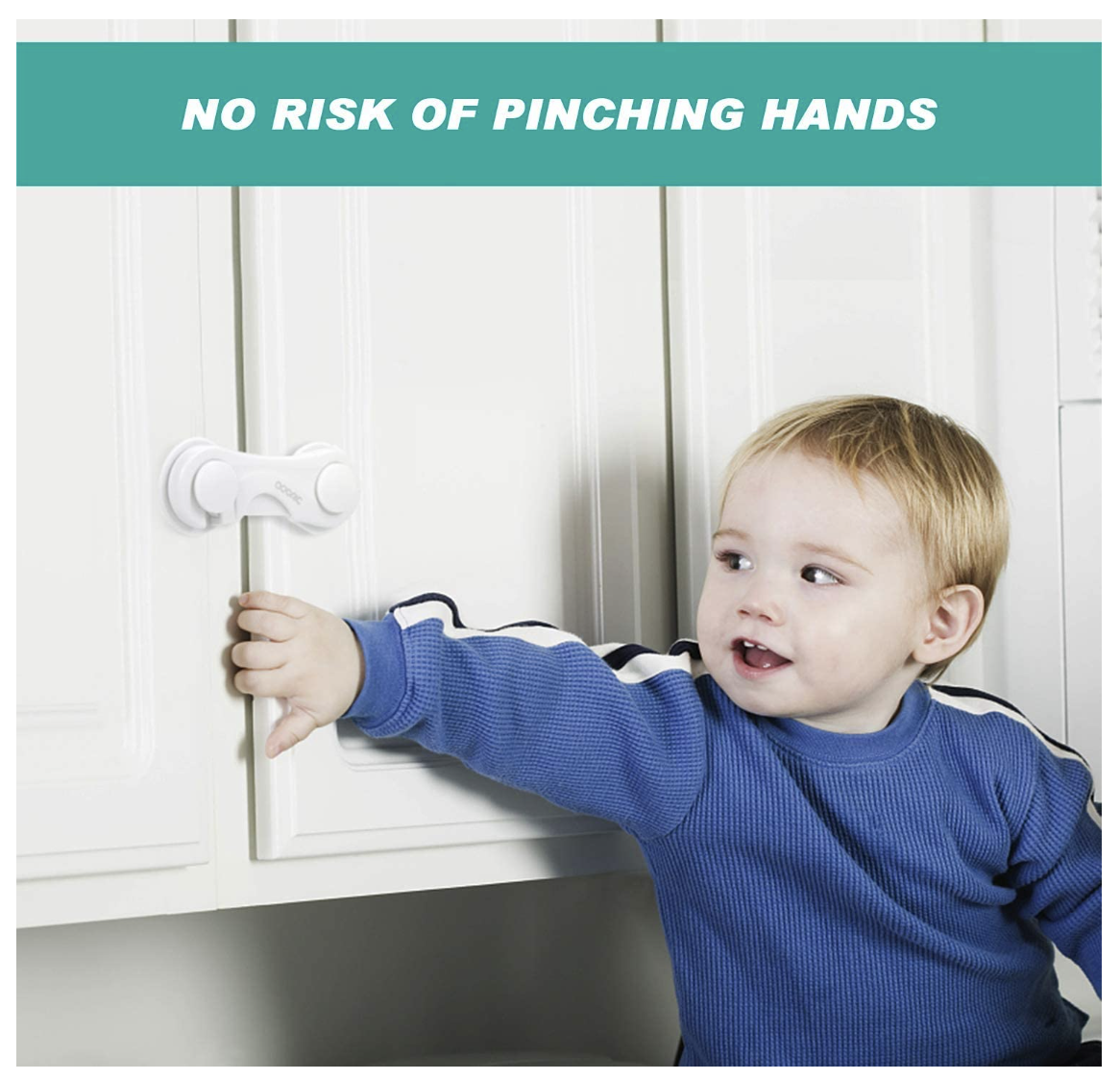
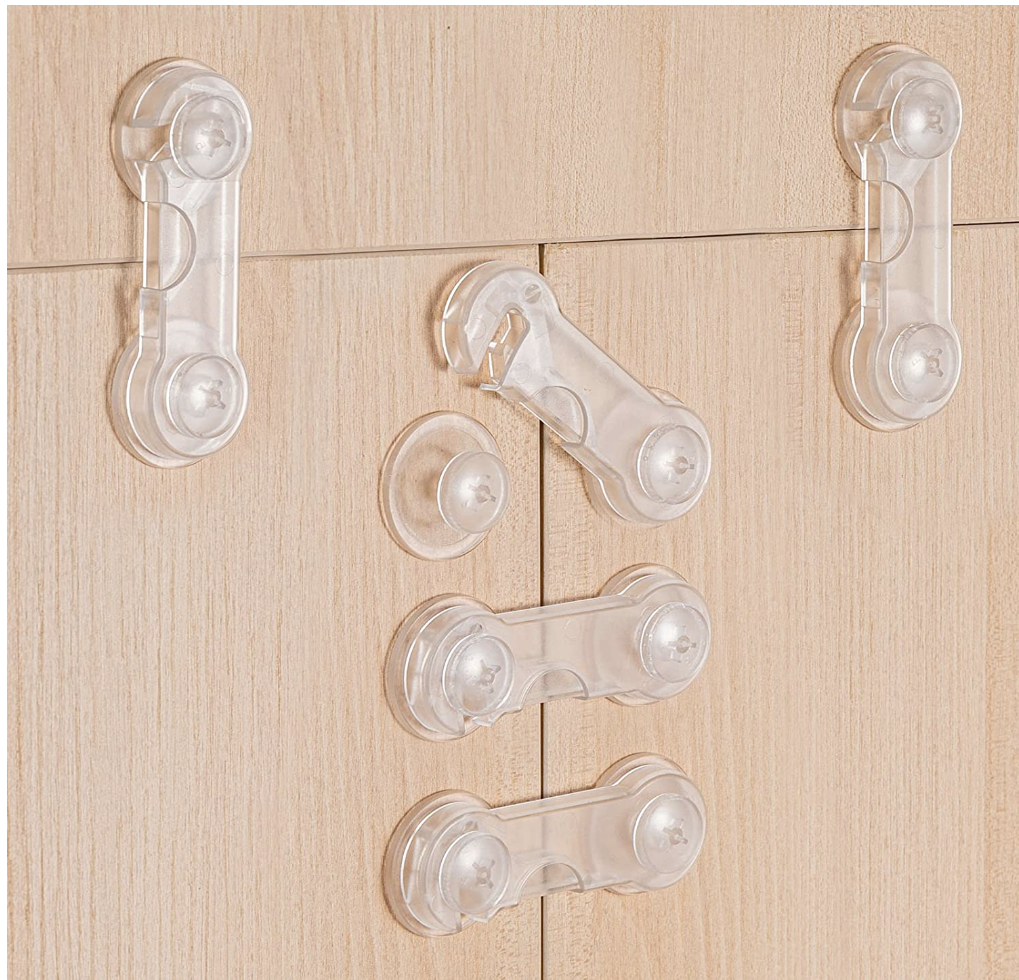
Start by identifying and securing areas in your home that pose potential risks to your toddler. Install safety gates at stairways and entrances to rooms that contain hazards, such as the kitchen or home office. Use safety covers on electrical outlets and secure cords and blinds to prevent accidents. Lock cabinets and drawers containing cleaning supplies, sharp objects, or choking hazards.
Soften Sharp Edges and Corners
Toddlers are known for their boundless energy and lack of coordination, making them prone to bumps and falls. Protect your child from sharp edges and corners by using edge guards or foam padding on furniture, tables, and countertops. This simple precaution will help minimize injuries and give you peace of mind.


Anchor Furniture
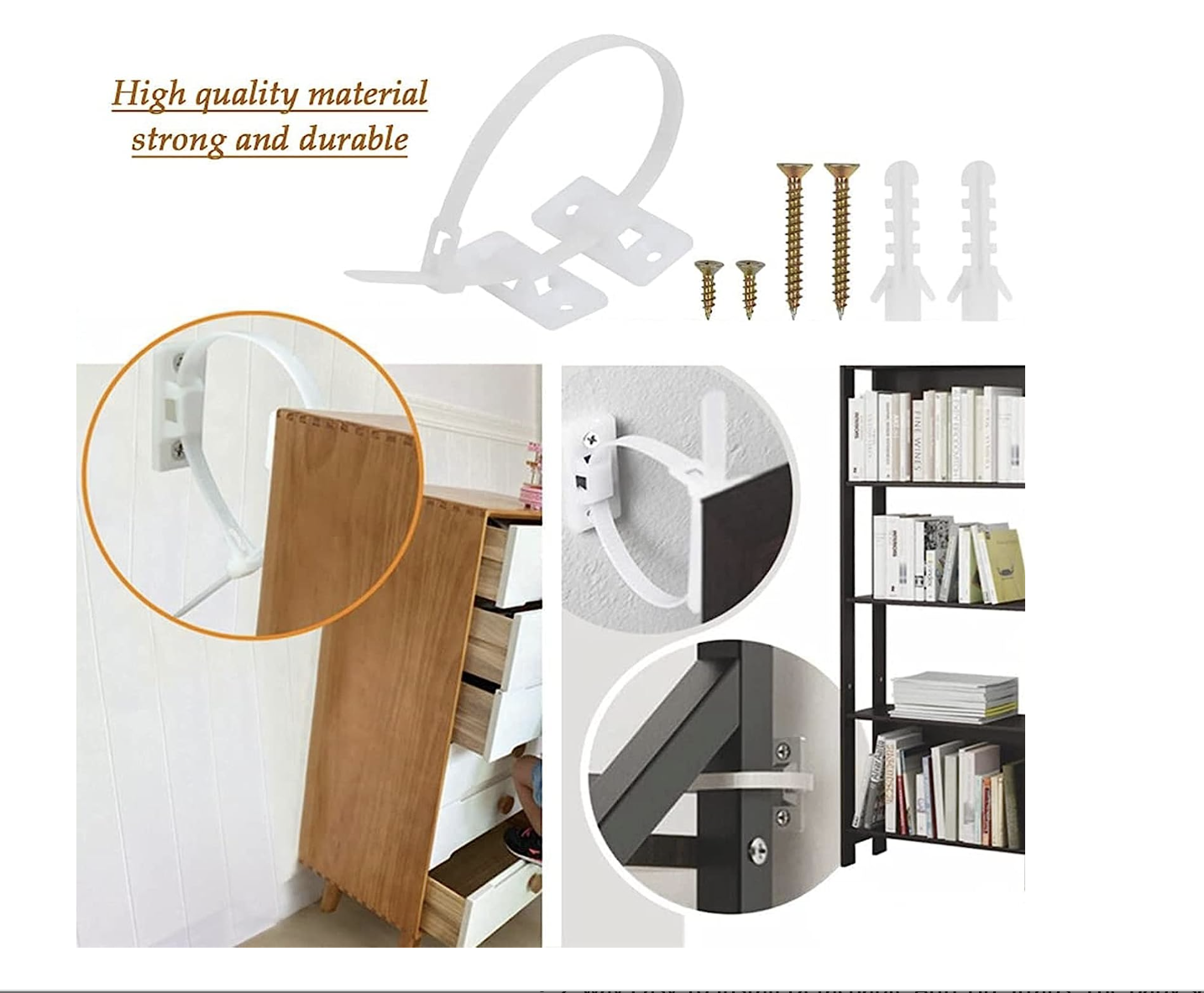
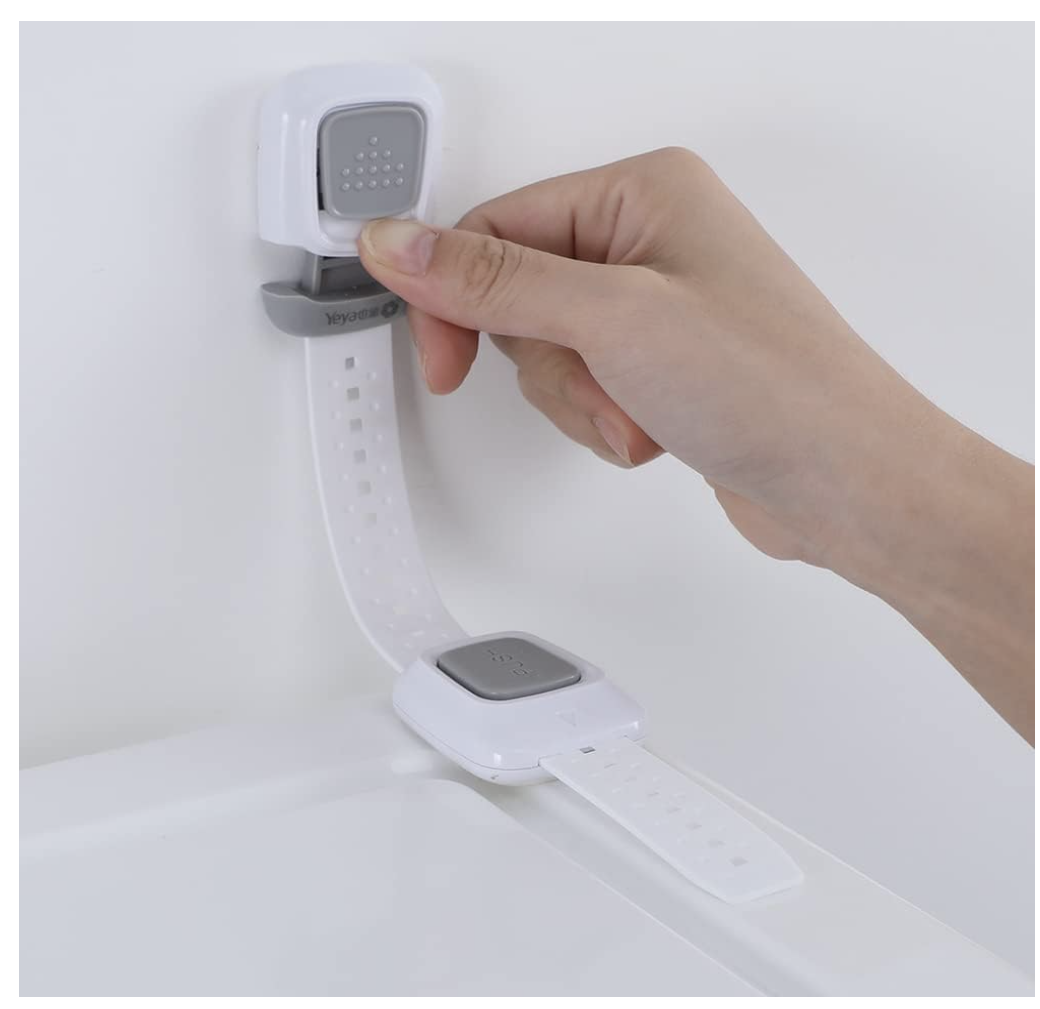
Tall furniture items like bookshelves, dressers, and TVs can pose a significant risk if they are not securely anchored. Toddlers may attempt to climb or pull on furniture, causing it to topple over. Use furniture straps or wall anchors to secure these items and prevent accidents.
Optimize Childproofing Measures
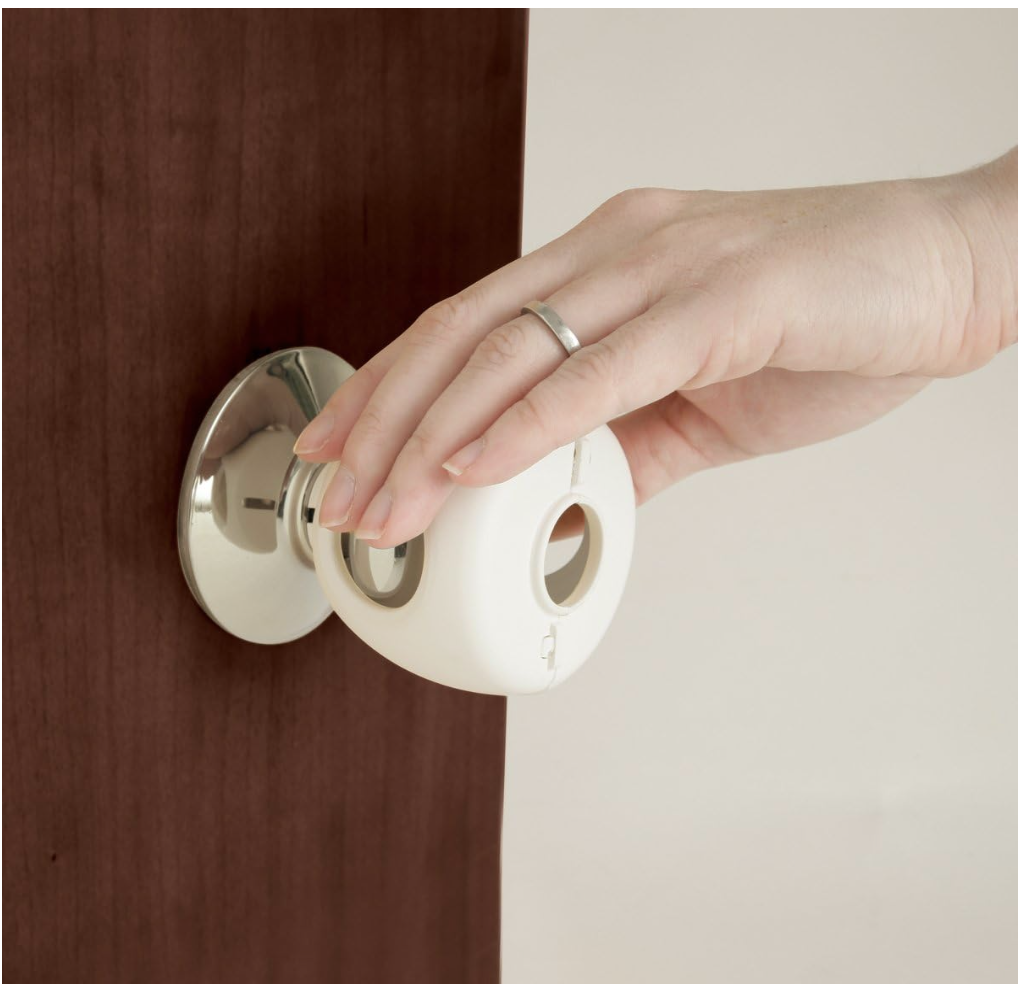
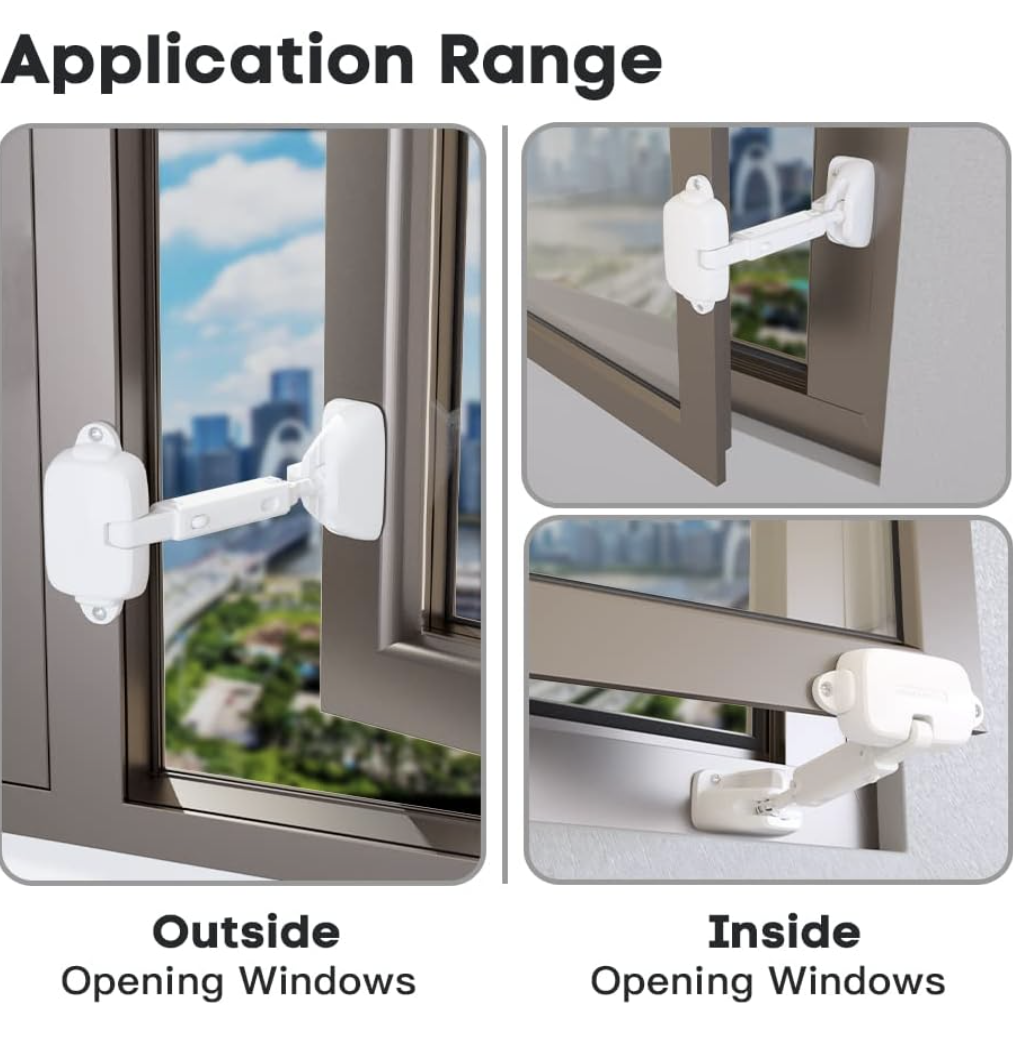
Childproofing is a critical aspect of creating a toddler-friendly home. Use safety latches on cabinets and drawers to keep them out of reach. Place safety covers on doorknobs to prevent access to certain rooms. Install window guards or locks to ensure windows cannot be opened wide enough for a child to squeeze through. Regularly inspect your home for potential hazards and update childproofing measures accordingly.
Create a Safe Play Area
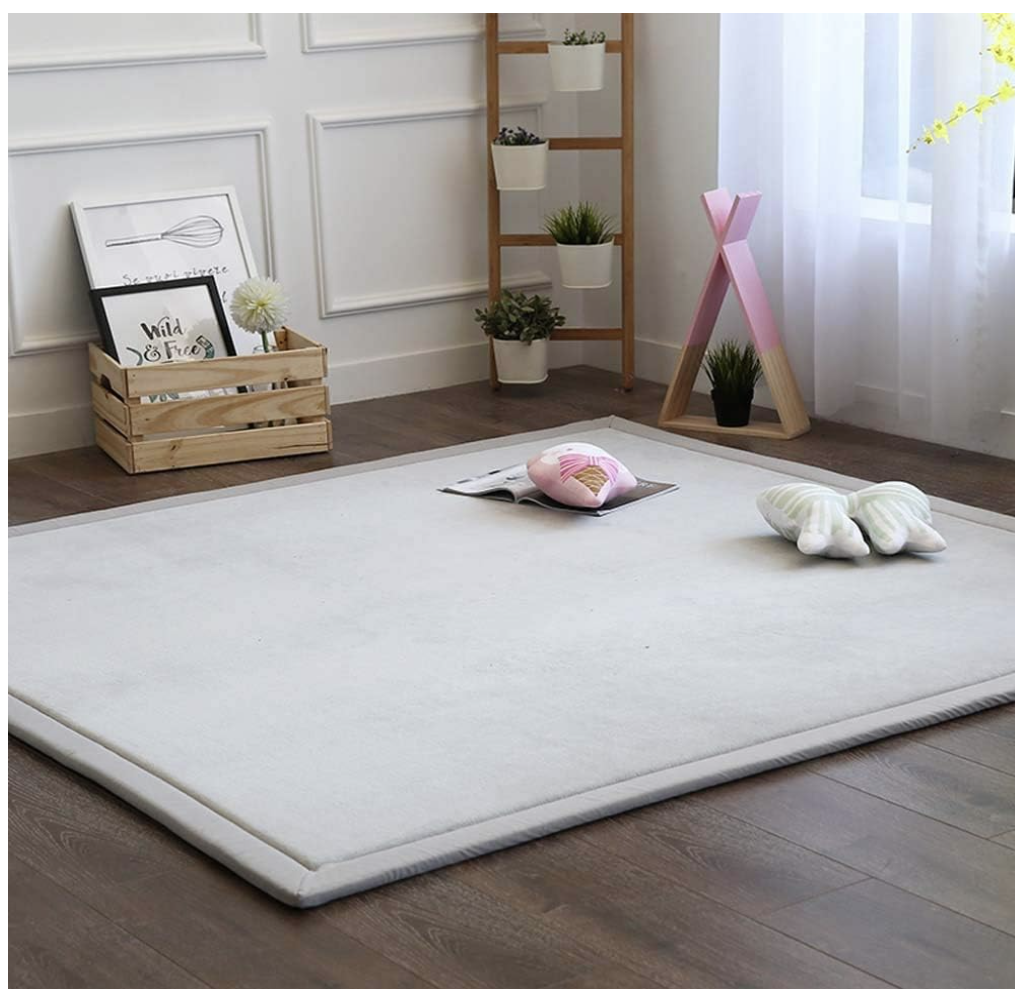
Designate a specific area in your home where your toddler can play freely and safely. Use soft, cushioned mats or rugs to create a comfortable play surface. Remove any small objects, sharp toys, or items that could pose a choking hazard. Ensure that the play area is well-lit and easily supervised.
Emphasize Storage and Organization
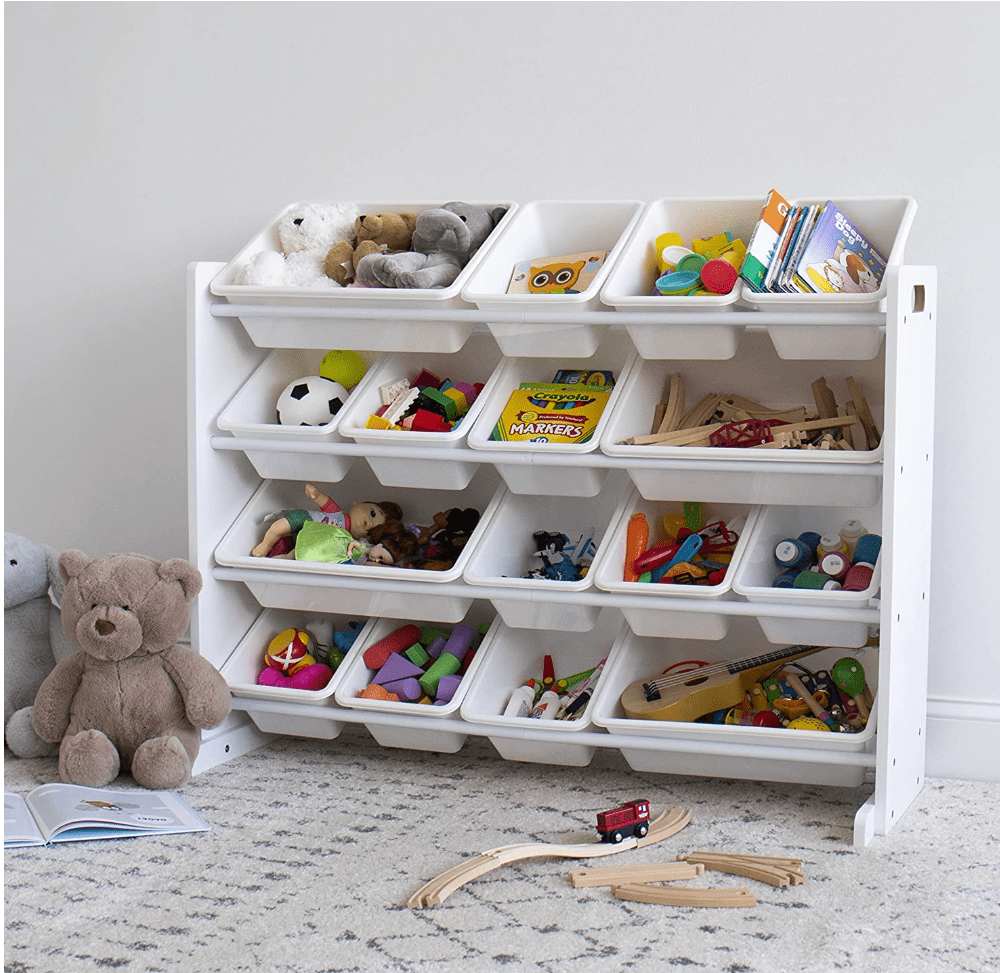
Keeping your home organized and clutter-free not only creates a visually appealing environment but also reduces potential hazards. Use storage solutions like bins, baskets, and shelves to keep toys, books, and other items organized and easily accessible. Minimize the risk of tripping or falling by maintaining clear pathways throughout the house.
Stimulate Learning and Creativity
In addition to safety considerations, it’s crucial to create a stimulating environment that supports your toddler’s learning and creativity. Set up low shelves or bookcases with age-appropriate books and toys. Provide opportunities for sensory exploration with materials like play dough, art supplies, and tactile toys. Foster imaginative play with a designated play kitchen, dollhouse, or building blocks.
Designing a toddler-friendly home involves striking a balance between safety and providing an environment that supports your child’s growth and development. By implementing these practical tips, you can create a safe and engaging space where your toddler can explore, learn, and have fun. Regularly reassess your home’s safety measures as your child grows and adjust accordingly. With a well-designed toddler-friendly home, you can offer your child a secure and nurturing environment that encourages their curiosity and fosters their well-being.



 Toddler Mom tales
Leave a comment